Living in Korea
Living in Korea
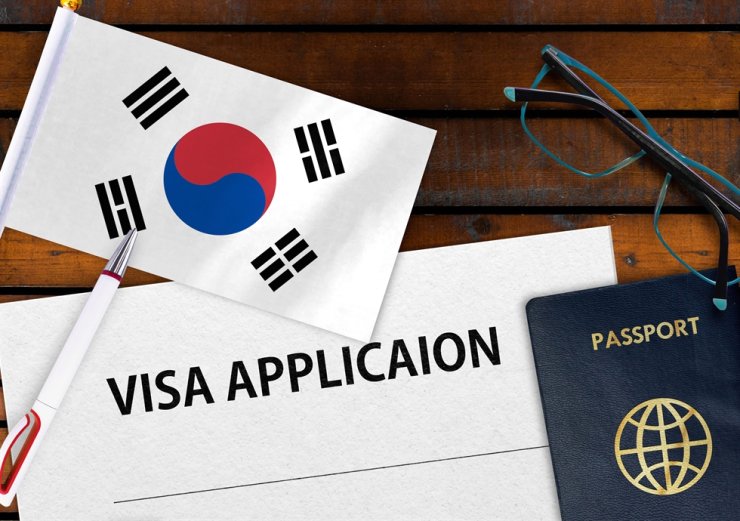
Relocating to South Korea is an exciting opportunity, whether for employment, academic study, diplomatic assignment, or family reunification. However, one of the most frequently misunderstood aspects of the Korean immigration system is the requirement that visa issuance generally must take place outside the country.
Relocating to Seoul involves more than simply finding a place to stay. For professionals, diplomats, and families moving to Korea for several months, choosing the right type of temporary housing is an important part of a smooth transition.
Relocating to South Korea involves more than securing a home. Understanding the local environment, daily systems, and practical logistics in advance is essential for a smooth transition. Our orientation services are designed to support individuals and families by providing clear, on-the-ground guidance before and after arrival.
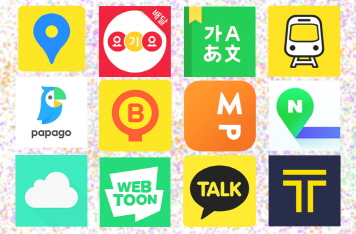
A practical guide to essential mobile apps for foreigners relocating to South Korea, covering communication, maps, transportation, payments, and daily life tools.
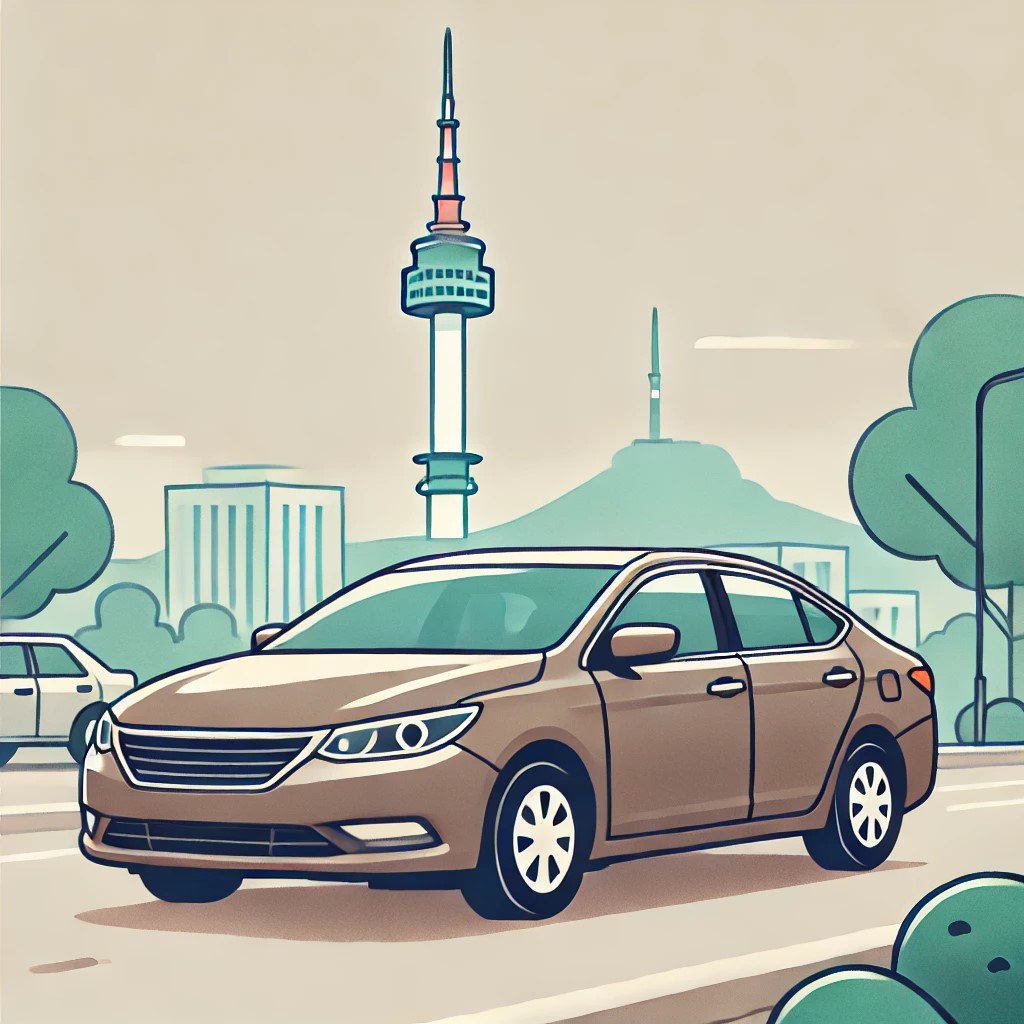
For foreigners relocating to South Korea, transportation planning is an important part of settlement. While public transportation is excellent, many families and long-term residents consider renting or purchasing a car to support daily life.
When relocating to South Korea, many people ask the same question:
“What comes first—visa or housing?”
The short answer is simple:
A visa allows you to enter Korea.
Housing and ARC allow you to live here.
Understanding the difference between these steps is essential for a smooth relocation.
Relocating to Korea can be exciting, but it also comes with many practical challenges. For expatriate families, the first few weeks after arrival often determine how smoothly the entire relocation process unfolds.
One of the most effective ways to reduce stress and uncertainty is through a pre-arrival orientation.
For many foreign residents relocating to Korea, buying a car is more than just a convenience. From commuting to work and school drop-offs to weekend travel and trips beyond the Seoul metropolitan area, owning a vehicle can significantly increase flexibility and overall quality of life.
However, the process can feel more complicated than expected. Regulations, required documents, insurance rules, cost structures, and language barriers often appear all at once, making the decision feel overwhelming.
This guide breaks down the essential information foreign residents actually need to know when purchasing a car in Korea.